
Introduction
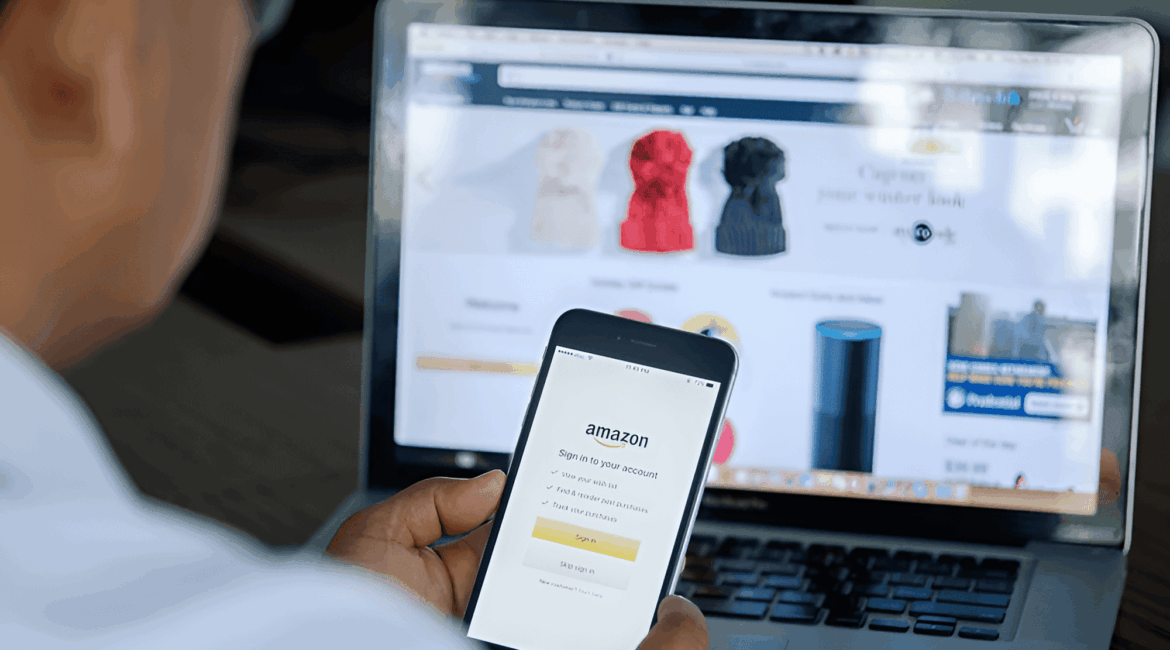
The online retail environment has revolutionized significantly over time. Companies no longer have to develop a separate eCommerce platform to connect with customers. Rather, there are third-party platforms such as Amazon, eBay, Etsy, Walmart, and more that offer a pre-existing platform for vendors to sell their products and tap into a huge customer base. These websites have numerous advantages, including greater visibility, reduced logistics, and in-built consumer trust.
If you’re working with a digital marketing agency in the UK, they can help you leverage these platforms strategically ensuring you optimize listings, manage ads, and analyze performance effectively.
And yes, there are disadvantages to being dependent on them too. Ranging from costs that cut into profits to insufficient control over the brand and relationship with customers, selling on third-party marketplaces is a balancing act.
In this blog, we go into the advantages and disadvantages of selling on Third-Party Marketplaces deeply, giving you insights that will enable you to make a judgment on whether selling in this mode is suitable for your business or not.

Also Read – Impacts of Google Chrome IP Masking on search Advertisement
Understanding Third-Party Marketplaces
What Are Third-Party Marketplaces?
Third-Party Marketplaces are websites where several sellers can list and sell their items to a broad customer base. In contrast to standalone eCommerce websites where companies host their own sites, marketplaces are third-party entities that offer a lot of the back-end functionality like product listing, transaction processing, payment facilitation, and even logistics in some cases.
Examples:
- Amazon: A gargantuan online store that deals in an assortment of product categories ranging from electronics to books, apparel, and more.
- eBay: Mostly auction-based listings but has provisions for fixed-price sales too.
- Etsy: A specialty marketplace specialized in handmade products, used goods, and crafting supplies.
These marketplaces offer vendors a pre-existing infrastructure in which to offer their products without having to develop their own web store, usually cheaper and with less technical input.
Types of Marketplaces
- Product-Based Marketplaces: These marketplaces host a vast variety of products, like Amazon and eBay.
- Niche Marketplaces: These serve a particular kind of product or buyer base. Etsy, for example, specializes in handmade, vintage, and artisan products.
- Service-Based Marketplaces: Marketplaces such as Fiverr or Upwork that enable service-based transactions (design services, freelance writing, etc.).
- Hybrid Marketplaces: Big-box retailers such as Walmart or Target are hybrid marketplaces that retail their own products as well as those of third-party sellers.
How Marketplaces Work
When you are selling on a marketplace, you sign up, list your offerings, and the marketplace then manages a few things for you:
- Transaction processing: Payment gateway administration, transactional fees, etc.
- Product listing: Sellers have the ability to list their merchandise, define price, and describe it.
- Fulfillment (optional): There are lots of marketplaces like Amazon that include fulfillment
services (e.g., FBA – Fulfillment by Amazon) where they would store and distribute your products.
The Benefits of Selling through Third-Party Marketplaces
1. Greater Exposure and Reach
Third-Party Marketplaces provide instant access to an enormous, worldwide customer base. Marketplaces like Amazon have millions of active consumers already. The sellers can benefit from this pre-existing audience without heavy marketing or traffic generation. This exposure tends to generate a greater number of sales.
Key Benefits:
- Access to international markets.
- Consumers trust the existing platforms, so conversion rates are higher.
- Not necessary to spend too much on getting traffic to a website.
2. Set-up is Easy and Low Barrier to Entry
marketplace offers an excellent opportunity to dip one’s toes in. The technical setup is minimal no coding, design, or complicated site management required. You can begin selling immediately with product listings.
Major Benefits:
- Easy registration and simple set-up process.
- No maintenance of hosting, site maintenance, or security required.
- Less initial investment than with creating a self-contained eCommerce site.
3. Established Platforms’ Trust and Reputation
Customers will be more likely to purchase from known marketplaces because of the trust that has been established by the platform over time. Trust is a massive driving force in online transactions, and established platforms like Amazon, eBay, and Etsy already have buyer protection, secure payments, and returns in place.
Major Benefits:
- Shoppers feel safe purchasing from trusted platforms.
- Platforms often provide fraud protection and security.
- Marketplaces have policies that protect buyers and sellers alike.
4. Simplified Logistics and Fulfillment
Marketplaces like Amazon and eBay offer Fulfillment by Amazon (FBA) or similar services, where they store and ship your products. This eliminates the need to deal with warehousing, packaging, and shipping on your own.
Key Advantages:
- Sellers don’t have to manage inventory storage or shipping.
- Returns management is typically managed by the marketplace.
- Reduced operational overhead.
5. Marketing and Promotional Tools
Marketplaces provide promotional tools to market your products within the marketplace. For instance, Amazon has Sponsored Products and Prime Day promotions. These promotional tools can bring your products into the limelight among millions of others.
Key Advantages:
- Sponsored listings and featured items raise visibility.
- Participation in promotional events may result in a huge sales spike.
6. Reduced Financial Risk
Compared to launching an independent eCommerce site, the risk of money on marketplaces is less. No heavy investment in website development, design, hosting, or SEO is required. Rather, companies can pay a small listing fee and give a percentage of the revenue to the platform.
Key Advantages:
- Low initial costs.
- Less marketing expense due to marketplace visibility.
- No investment in website maintenance.
The Disadvantages of Selling Via Third-Party Marketplaces
1. Greater Fees and Commissions
Though selling via a marketplace appears to be a risk-free option, there are charges involved. Marketplaces collect listing fees for products, sales commission, and even for some added services such as fulfillment. Such fees have a substantial share of your profits.
Important Disadvantages:
- Charges for product listing, sales, and fulfillment.
- Fees are uncertain, and over time can become expensive.
- Supporting extra fees for promotional and advertising expenditures on the marketplace.
2. Limited Brand and Customer Experience Control
When selling on a third-party marketplace, you tend to have limited choices regarding how to brand your merchandise and engage customers. There’s less chance for crafting a personalized shopping experience and building a branded image, where your brand one of several or a solo unit on the site.
Key Drawbacks:
- You’re unable to highly customize product pages, which has limitations on the opportunities for branding.
- Customers might not identify you as the seller, resulting in less brand loyalty.
- Less ability to communicate directly with customers.
3. More Competition
You’re not alone in selling your product on a marketplace. Frequently, the other sellers will offer similar products, and so there is intense competition. This combined with price wars can see the margins erode.
Key Disadvantages:
- Direct competition with the other sellers on the same keywords and products.
- The marketplace itself can provide substitute products (e.g., Amazon Basics).
- Price wars that cut into profit margins.
4. Marketplace Policy and Change Dependence
Marketplaces regularly change their policies, fees, and algorithms. An abrupt shift in these areas can harm your business. Sellers are frequently at the mercy of the rules of the platform, and account suspensions may happen with little notice.
Main Disadvantages:
- Regular policy changes that can disrupt your business model.
- Account suspensions or bans in case of platform rule violation, even by mistake.
- Loss of access to your customer data if your account is suspended.
5. Restricted Customer Data Access
Marketplaces do not always provide access to customer data, unlike selling on your own eCommerce website. This means you have less scope for developing customer relations or gaining knowledge to create future marketing campaigns.
Important Disadvantages:
- Restricted access to customer demographic data.
- Hard to re-engage or retarget customers after they leave the platform.
- t
- Limited in-depth analytics on what customers are doing.
6. Brand Cannibalization
Marketplace sellers can also be victims of brand cannibalization. Some marketplaces, such as Amazon, sell their private label products, which can compete head-on with third-party sellers. Customers can also decide to buy directly from the marketplace, skipping your store.
Key Disadvantages
- Marketplaces can produce and sell their own versions of your products.
- Less visibility for your brand in favor of the platform’s own products.
- Risk of being just another supplier without establishing a loyal customer base.
Strategies for Success When Selling Through Marketplaces
Selling on Third-Party Marketplaces can have its drawbacks, but with the proper strategies in place, you can maximize your success and minimize the potential pitfalls.
Also Read – The Pros and Cons of Selling on Online Marketplaces
1. Optimize Your Listings
One of the first steps to selling successfully on a marketplace is ensuring your product listings are optimized. This involves more than just having good product descriptions—it’s about making your listing stand out in a crowded marketplace.
Key Strategies:
- High-Quality Images: Use clear, high-resolution photos that showcase your product from multiple angles. For example, if you’re selling a piece of clothing, include pictures of someone wearing it in various settings.
- Effective Keywords: Use relevant, high-traffic keywords that potential customers are likely to search for. Consider long-tail keywords and niche terms that could reduce competition.
- Detailed Descriptions: Provide comprehensive product descriptions with key features, benefits, and any unique selling points. Be specific about size, material, or color options, and any relevant details customers might care about.
- Customer Reviews: Ask customers to leave reviews. Social proof from satisfied customers creates trust and prompts future orders.
2. Manage Your Inventory Effectively
Inventory management is essential while selling through third-party sites. Out of stock can mean lost sales opportunities, while overstock can mean wasted resources.
Key Strategies:
- Use Inventory Tools: Most marketplaces offer tools or integrations to help manage inventory. Make sure you’re using them to stay on top of stock levels and avoid over-selling or under-selling.
- Forecast Demand: Anticipate demand based on previous sales patterns. Use data insights and sales history to predict which products are likely to sell out faster and adjust accordingly.
- Stock Diversification: Avoid sticking to one product. By having a variety of products, you distribute the risk and enhance your possibilities of making sales in a variety of categories.
3. Leverage Marketplace Promotions
Most Third-Party Marketplaces offer sellers promotional aids to gain more visibility. By engaging in marketplace promotions, including sales activities, promotions, and holiday promotions, you can significantly increase your product’s visibility.
Key Strategies:
- Seasonal Sales: Take part in sales events like Amazon Prime Day, Black Friday, or Cyber Monday where marketplaces are offering sales and buyers are searching specifically for deals.
- Discount Coupons and Deals: Utilize marketplace features to offer special deals or discount coupons to attract buyers and induce bigger orders.
- Sponsored Products: Utilize paid advertising features like Amazon Sponsored Products or eBay Promoted Listings to make your products more visible in search results.
4. Invest in Reviews and Feedback
Strong customer service will differentiate you from your competitors. Make your answers to customer questions concise, prompt, and helpful. Good customer service will generate favorable reviews and return business.
Key Strategies:
- Rapid Response Time: Answer customer questions and issues promptly. A prompt, useful response will result in no negative review.
- Proactive Communication: Inform customers of shipping status, delays, or out-of-stock alerts. This demonstrates transparency and allows for control of expectations.
- Request Reviews: Friendly request customers to leave positive reviews. Reviews create credibility and trust, essential in marketplaces.
Common Mistakes to Avoid
While Third-Party Marketplaces provide a lot of benefits, there are several common mistakes that sellers often make. Avoiding these can improve your chances of success and prevent unnecessary headaches.
1. Ignoring Fees and Costs
Vendors occasionally forget the numerous fees charged for listing and selling on marketplaces, which can really take a bite out of profits. All the fees (listing fees, transaction fees, shipping fees, etc.) need to be included in the calculation of profitability when selling on these sites.
Avoid This Mistake:
- Track all fees and see how they affect your margins.
- Think about using software to monitor sales and compute profits more precisely.
2. Forgetting Brand Identity
Depend too much on a marketplace and you risk losing control over your brand identity. If you don’t control your brand, you might be perceived as just another vendor.
Avoid This Mistake:
- Spend time optimizing your listings with consistent branding, even when constrained by the platform.
- Develop a memorable brand experience through professional product descriptions and images
3. Poor Inventory Management
Running out of stock or overstocking products can lead to missed sales and storage issues. Poor inventory management can also result in penalties on some marketplaces for failure to fulfill orders on time.
Avoid This Mistake:
- Use automated tools to monitor and manage inventory.
- Plan ahead for high-demand periods like holidays or sales events.
4. Not Using Marketplaces’ Advertising Tools
Certain sellers undervalue the significance of advertising in the marketplace. Without paid ads or featured listings, your items can become lost among millions of others.
Avoid This Mistake:
- Take advantage of advertising options on the platform.
- Utilize sponsored listings and ads to gain more visibility.
When to Consider Moving Off a Marketplace
Although third-party marketplaces are excellent places to start off, there will likely come a point when it is more financially lucrative to make the switch to a solo eCommerce site. Some indications that it would be beneficial to create your own website are listed below.
1. Loss of Control
If you ever think that you’re losing control over your customer relationship, pricing, or brand, then it may be the right time to search for alternative sources. Creating a store of your own gives you complete control of all the proceedings of your venture.
2. Increasing Fees
As your volume of sales increases, so can your fees. If it becomes too expensive to do business on a marketplace, it might be more economical to switch to a platform such as Shopify or WooCommerce where you can retain more of your profits.
3. Saturation and Increased Competition
If the market becomes oversaturated with competition selling the same thing at lower prices, your profit margins might become thinner. Becoming a niche eCommerce store gives you an easier way to make your brand stand out.
4. Need for More Customer Data
If you find yourself requiring more detailed information about customers to fuel targeted marketing campaigns, your own website will provide you with greater access to analytics and customer data.
FAQs: Third-Party Marketplaces Selling
On which marketplaces should sellers be?
Well-liked sites include Amazon, eBay, Etsy, Walmart, and Facebook Marketplace—with each site its own niche market and followers.
Are marketplaces worth selling on from a profit viewpoint?
Yes, if run intelligently. Profits hinge upon demand, rivalry, and charging control.
Am I able to construct a brand with these websites?
It’s more difficult but certainly feasible. Incorporate regular photos, excellent customer service, and marketplace tools like Amazon Brand Registry.
What are the fees I will pay?
Plan on paying listing, commission, and fulfillment fees differing by site.
How do I get noticed?
Employ good pics, SEO phrases, excellent copy, and obtain good reviews
Should I also own my own site?
Yes. Marketplaces provide access, but your site provides complete control and improved branding.
What are the biggest risks?
Policy infractions, excessive competition, increasing fees, and restricted customer access.
Conclusion
Selling via third-party marketplaces can be an amazing way to get noticed and increase sales, particularly for small or new companies wanting to access a huge audience base without making a huge financial investment. But it is necessary to know the advantages and also the disadvantages involved in this model.
While marketplaces offer tremendous visibility and streamlined logistics, they have costs, loss of control over branding, and limited customer information. It’s worth carefully considering these advantages and disadvantages when determining whether to sell through a marketplace or create your own eCommerce site. For businesses working with digital marketing services in the UK, these experts can help guide your marketplace strategy—optimizing your listings, tracking performance, and even supporting multi-channel selling.
By identifying your business needs, setting clear goals, and selecting appropriate strategies, you can optimize your success on third-party marketplaces while reducing the risks associated. Whichever option you decide to remain with or shift to a standalone platform, keep in mind that the best-performing businesses are ones that learn and improve based on data and customer input.