
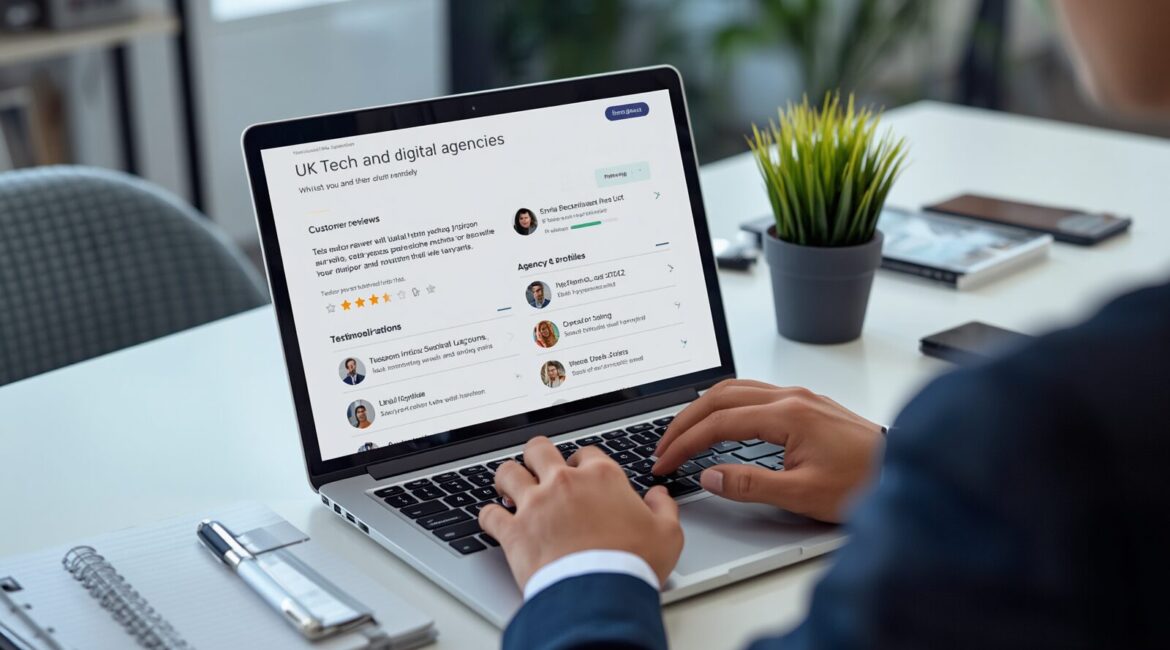
Choosing the right UK Tech Company is one of the most important decisions for any business looking to grow online. Whether you need website development, mobile app development, cloud solutions, or IT support, partnering with a reliable UK Tech Company can save time, reduce costs, and support long-term success. This guide explains how to compare UK Tech Companies, review certifications, evaluate customer reviews, and choose the right technology partner with confidence.
1. How Do I Compare a UK Tech Company for Web Development?

Choosing the right UK tech company means evaluating much more than the price of its services. Businesses should evaluate technical expertise, project experience, customer support, and proven results before making a final decision. Choosing the right web development company in UK is one of the most important decisions for any business looking to establish or grow its online presence. With hundreds of agencies operating across the UK, a structured comparison helps you avoid costly mistakes and find a partner aligned with your goals. Every business has unique requirements. Take time to compare different companies. Choose a team that understands your vision and delivers a website that supports your long-term success. Choosing the right UK Tech Company can help your business achieve long-term digital success.
Understand Your Business Requirements
Before comparing a UK Tech Company or other service providers, clarify your own needs—whether you need a new website, a redesign, or a custom web application. Define your budget, timeline, and the type of ongoing support you expect. Think about the features your website should include, such as contact forms, online booking, e-commerce functionality, blogs, or customer portals. Knowing exactly what you need will make it much easier to shortlist suitable agencies and communicate your expectations clearly. It also helps developers provide accurate estimates and realistic project timelines, reducing the chances of misunderstandings later.
Review a UK Tech Company’s Portfolio & Technical Expertise
A strong portfolio shows that a UK Tech Company has real-world capability and experience. Look for modern, mobile-friendly designs, fast load speeds, and a variety of completed projects across different industries. Checking past work helps you see whether the company meets your expectations.
Also confirm the company is experienced with the technologies your project requires, including:
- Responsive design, HTML/CSS/JavaScript
- Content Management Systems (CMS) and e-commerce platforms
- SEO best practices and website performance optimization
- Website security and data protection
In addition, ask whether the company follows modern development standards and performs thorough website testing before launch. Also, confirm that the website is compatible across different browsers and devices. A technically skilled team can create a website that performs well today and remains easy to update in the future.
Compare Communication and Overall Value
Price should never be the sole deciding factor. Compare what is included—design quality, development process, post-launch support, security, and any additional services. A lower price may seem attractive, but it may not include important features or ongoing maintenance.
A company that communicates clearly, responds promptly, and provides regular updates is far more likely to deliver a smooth project. During the initial discussions, pay attention to how well they answer your questions and explain technical details in simple language. Request written proposals from each shortlisted agency and compare them side by side to understand the value each company offers.
Review SEO and Long-Term Support
A website with no organic visibility has limited value. Confirm that the company builds an SEO-friendly website architecture from the start. This should include clean URL structures, optimized images, fast loading speeds, a proper heading hierarchy, and a mobile-friendly design. These features make it easier for search engines to understand your website.
Equally important is post-launch maintenance. Ask whether the company provides software updates, security monitoring, website backups, bug fixes, and technical support after the website goes live. Reliable post-launch services ensure your website remains secure, performs efficiently, and continues to meet your business needs as your company grows. Choosing a web development company that offers both quality development and long-term support will provide greater value and peace of mind in the years ahead.
2. Where Can I Find Reviews of UK Tech Company or Digital Agencies?

Reading reviews helps you compare every UK Tech Company based on customer satisfaction, communication, project quality, and long-term support. Whether you need a website, a mobile app, or a trusted digital marketing agency in UK, start by reading verified client reviews. They are one of the best ways to make an informed choice. Reviews provide valuable insight into an agency’s real-world performance that goes beyond promotional content on its website. They reveal how the company communicates with clients, handles challenges, meets deadlines, and delivers results. Taking the time to research reviews before hiring an agency can help you avoid costly mistakes and choose a reliable partner that matches your business goals. Since many UK agencies offer similar services, verified customer feedback often becomes the deciding factor when comparing different companies.
Top Platforms for Agency Reviews
Several trusted platforms publish verified reviews of UK tech and digital agencies. Each platform offers different types of information, so checking more than one source gives you a complete picture of an agency’s reputation.
- Google Business Profile — Google Business Profile allows customers to leave ratings and reviews, giving potential clients insight into a company’s reputation and service quality. Customers share their experiences, rate the company, and sometimes upload photos. Reading both positive and negative reviews can help you understand how the agency treats its clients. It is also worth checking whether the agency responds professionally to customer feedback, as this reflects its commitment to customer service.
- Clutch — Clutch is a well-known platform where businesses can find verified client reviews, project details, and ratings for B2B service providers. It conducts verified interviews with clients and publishes detailed information about project budgets, timelines, services provided, and overall satisfaction. These reviews usually contain more detailed insights than standard star ratings, making them especially useful for comparing agencies.
- Trustpilot — Trustpilot allows businesses and customers to share honest experiences. Here, you can learn about an agency’s professionalism, communication, responsiveness, and ability to solve problems. Consistently positive ratings over a long period usually indicate reliable service.
- LinkedIn — Although LinkedIn is mainly a professional networking platform, it is also useful for evaluating digital agencies. Company pages showcase team members, work experience, certifications, industry expertise, and client recommendations. Reviewing employee profiles can also help you understand the skills and experience behind the company.
Using multiple review platforms helps you identify consistent strengths and weaknesses rather than relying on opinions from a single source.
UK Tech Company Websites & Case Studies
An agency’s own website can provide valuable insight through published case studies. Well-written case studies explain the client’s goals, the challenges involved, the strategy used, and the final results achieved. They demonstrate how the agency approaches different types of projects and whether it has experience in your industry.
Look for case studies that include measurable outcomes instead of general statements. For example, improvements in website traffic, higher search engine rankings, faster loading speeds, increased online sales, or improved user engagement provide stronger evidence of success. Screenshots, before-and-after comparisons, and client testimonials further increase credibility.
While agencies naturally showcase their best work, case studies still help you evaluate their technical expertise, creativity, and ability to solve business problems. Comparing several case studies from different agencies can make it easier to identify which company is most suitable for your project requirements.
Social Media and Direct References
Social media platforms often provide another valuable source of information. Companies regularly share completed projects, client success stories, team updates, and industry knowledge on platforms such as LinkedIn, Facebook, Instagram, and X. The comments section may also contain genuine customer feedback that gives additional insight into client satisfaction.
For even greater confidence, ask the agency for direct client references. A reputable UK Tech Company is usually happy to connect potential customers with previous clients who can discuss their experience. Speaking directly with a former client allows you to ask specific questions about communication, project management, meeting deadlines, problem-solving, technical support, and overall satisfaction.
Ask whether the project stayed within budget, how the agency handled unexpected issues, and whether the client would hire the company again. Their answers can provide valuable information that online reviews may not reveal. Always compare feedback from different sources before making your final decision.
Red Flags to Watch For
Not every agency with a professional website delivers high-quality service. Carefully reviewing customer feedback can help you identify warning signs before signing a contract.
Be cautious if you notice very few total reviews despite the company claiming many years of experience. This may indicate limited client activity or a lack of genuine customer feedback. Repeated complaints about missed deadlines, poor communication, unexpected costs, or unfinished projects should also be taken seriously.
Another warning sign is a large number of overly positive reviews posted within a very short period, especially if they lack detail. Genuine reviews usually describe specific experiences, while fake reviews often use vague praise without explaining the work completed. Inconsistent ratings across different review platforms may also deserve closer investigation.
If an agency refuses to provide references, avoids answering questions about previous projects, or offers unclear pricing, consider it a potential risk. Choosing an agency should be based on transparency, proven experience, and consistent customer satisfaction rather than attractive marketing alone. Review feedback from multiple sources and pay attention to warning signs. This approach helps you confidently choose a UK digital agency that delivers high-quality results and supports a successful long-term partnership.
3. What Certifications Should a UK Tech Company Have?

Certifications show that a UK Tech Company follows industry standards for quality management, information security, cloud services, and professional development. Certifications signal that a UK tech company follows recognized industry standards and has invested in quality, security, and technical training. They don’t guarantee success on their own, but they significantly reduce the risk of poor delivery. A specialist WordPress developer in UK, for example, may also carry broader quality and security credentials that demonstrate professional maturity. When comparing web development or digital agencies, certifications give you greater confidence because the company follows proven processes and delivers professional services. They show that the agency values continuous improvement, keeps up with industry standards, and invests in developing the skills of its team. Although certifications should not be the only factor in your decision, they are a strong indicator that a company takes quality, security, and customer satisfaction seriously.
ISO 9001 – Quality Management
ISO 9001 is one of the world’s most widely recognized quality management certifications. It confirms that a company has structured quality management processes in place and follows a consistent approach when planning, delivering, and reviewing projects. Instead of relying on informal methods, certified companies work according to documented procedures that help maintain high standards across every project.
A company with ISO 9001 certification is more likely to deliver consistent service, follow defined project workflows, and continuously improve its operations. This benefits clients by reducing delays, improving communication, and ensuring that every stage of the project is carefully managed. Teams regularly review their performance, gather customer feedback, and identify ways to improve future projects.
For businesses investing in website development, software solutions, or digital services, working with an ISO 9001-certified company provides greater confidence. It helps ensure the project is managed professionally from the initial consultation to final delivery and ongoing support.
ISO 27001 – Information Security
When a project involves handling confidential information such as customer records, financial data, or employee details, choosing a company certified to ISO 27001 provides greater confidence that strong information security practices are in place. This internationally recognized standard focuses on information security management and demonstrates that the company has implemented effective procedures to protect confidential data.
An ISO 27001-certified company follows strict policies for managing cybersecurity risks, controlling access to sensitive information, performing regular security assessments, and responding quickly to potential security incidents. These measures reduce the likelihood of data breaches, cyberattacks, and accidental data loss.
As cyber threats continue to increase, businesses of all sizes must ensure that their technology partners take data protection seriously. Choosing a company with ISO 27001 certification shows that security is built into its daily operations rather than being treated as an afterthought. This is especially valuable for businesses operating online, processing customer payments, or storing confidential business information.
Microsoft Partner & Cyber Essentials
Microsoft Partner status confirms that a company has demonstrated expertise in Microsoft technologies such as Microsoft 365, Azure, Power Platform, and cloud application development. This certification is regularly reviewed to ensure partners maintain strong technical knowledge and continue developing their skills through training and certification. Businesses with this status are often better equipped to deliver reliable Microsoft-based solutions and provide ongoing support for clients.
If your business relies on Microsoft products, choosing a Microsoft Partner can provide access to experienced professionals who understand best practices for implementing, integrating, and supporting Microsoft-based solutions.
Another valuable certification is Cyber Essentials, a UK government-backed scheme designed to improve cybersecurity across organizations. It focuses on essential security measures such as secure network configuration, malware protection, user access controls, software updates, firewall management, and device security. Although it is considered a basic level of certification, it demonstrates that the company has implemented important cybersecurity controls to reduce common online threats.
Together, Microsoft Partner status and Cyber Essentials indicate that a company values both technical expertise and secure business practices.
Cloud & Industry Certifications
Many modern websites and business applications rely on cloud platforms for hosting, storage, backups, and scalability. For cloud-based projects, look for agencies with certifications from Amazon Web Services (AWS), Google Cloud, or other leading cloud providers. These certifications demonstrate practical knowledge of cloud infrastructure, virtual servers, networking, data storage, security, disaster recovery, and system reliability.
Cloud-certified professionals are better equipped to design secure, high-performing, and scalable solutions that can grow alongside your business. They also understand how to optimize cloud resources to improve performance while controlling operational costs.
If your business operates within a regulated industry such as healthcare, finance, education, insurance, or government services, industry-specific experience becomes even more important. Agencies working in these sectors should understand the legal, privacy, and compliance requirements that apply to your organization. Choosing a company with relevant certifications and sector experience can reduce compliance risks and simplify project delivery.
How to Verify Certifications
Always verify certifications before making your final decision. Do not simply rely on certification logos displayed on a company’s website. Ask for copies of current certificates, confirm their renewal dates, and request information about the certifying organization if necessary. Many certification bodies also provide online directories where certificates can be verified.
You should also ask whether certified professionals will be directly involved in your project rather than simply working elsewhere within the company. Understanding who will manage your project and what qualifications they hold provides additional confidence in the agency’s capabilities.
A reputable technology company will answer these questions openly, explain the value of its certifications, and provide supporting evidence without hesitation. Verifying certifications alongside reviewing client testimonials, case studies, and technical expertise will help you choose a reliable UK technology partner that is committed to quality, security, and long-term success.
4. What Questions Should I Ask Before Hiring a UK-Based IT Company?

Asking the right questions before hiring a UK Tech Company helps you evaluate experience, pricing, security, communication, and ongoing support. Hiring the wrong IT company can lead to delays, unexpected costs, and poor results. Whether you need to hire android developers or any other specialist, the following key questions help you evaluate any UK-based IT provider before signing a contract. Asking the right questions at the beginning of the hiring process can save time, money, and unnecessary stress later. A professional IT company should be open, transparent, and willing to explain how it plans to deliver your project. The answers you receive will help you understand the company’s experience, communication style, technical expertise, and ability to meet your business goals. Rather than choosing a provider based only on price, take time to compare several companies and evaluate how confidently they respond to your questions.
Experience, Team & Process
One of the first questions to ask is whether the company has experience working on projects similar to yours. Every business has different requirements, so it is important to choose an agency that understands your industry and the type of solution you need. Ask to see relevant case studies, completed projects, or examples of websites and applications they have developed for businesses with similar objectives. Client references can also provide valuable insight into the company’s reliability and quality of work.
You should also ask who will actually be working on your project. Find out whether the development team is made up of in-house employees or outsourced freelancers. Understanding the team structure helps you know who is responsible for design, development, testing, and communication throughout the project. It is equally important to identify the project manager who will act as your main point of contact.
Discuss how the company manages projects from start to finish. Ask about project planning, development stages, testing procedures, progress reports, and regular meetings. A structured development process helps ensure that work stays organized and any issues are identified early.
Finally, ask for a realistic timeline rather than simply the fastest estimate. Reliable companies explain each project phase, expected delivery dates, and how they handle unexpected delays. Understanding their approach to deadlines gives you greater confidence in the project’s success.
Pricing, Security & Support
Cost is an important consideration, but it should never be the only deciding factor. Request a detailed written quotation that clearly explains the total project cost, payment schedule, optional features, ongoing maintenance charges, and pricing for future changes. A transparent proposal reduces the risk of unexpected expenses once development begins.
Security should also be discussed before signing any agreement. Ask what measures the company follows to protect your website, application, and business data. Topics such as secure coding practices, user authentication, encrypted data storage, regular backups, firewall protection, and vulnerability testing demonstrate whether the agency takes cybersecurity seriously.
It is equally important to understand the level of support available after the project has been completed. Ask whether the company provides bug fixes, software updates, performance monitoring, technical assistance, and security maintenance after launch. Long-term support ensures that your website or application continues to perform well as technology evolves.
You should also ask whether the company holds recognized certifications or professional partnerships such as ISO 9001, ISO 27001, Cyber Essentials, or Microsoft Partner status. These certifications indicate that the company follows industry standards for quality management, information security, and technical expertise.
Scoping & References
Before making your final decision, request references from recent clients who have worked with the company on similar projects. Speaking directly with previous customers provides valuable insight into the agency’s communication, professionalism, ability to meet deadlines, and overall project experience. Ask whether the project was completed on time, stayed within budget, and whether the client would hire the company again.
It is also important to discuss how the company manages changes to the project scope. During development, new ideas and additional features often arise. Ask how new requirements are evaluated, how additional costs are calculated, and how changes affect project timelines. A clear change management process helps prevent misunderstandings and keeps both parties informed throughout development.
Many UK IT companies also offer a free initial consultation or project assessment. This meeting allows you to discuss your business goals, ask technical questions, and receive preliminary recommendations before making a commitment. It also provides an opportunity to evaluate how well the company listens to your requirements and whether its proposed solution aligns with your expectations.
Compare Before Making Your Decision
After gathering information from several providers, compare each proposal carefully rather than focusing only on price. Consider the company’s experience, technical skills, communication style, project management process, security standards, certifications, customer reviews, and post-launch support. A UK Tech Company that communicates clearly, answers questions confidently, provides transparent pricing, and demonstrates a proven track record is far more likely to deliver a successful project.
Asking these questions before signing a contract helps reduce risks and avoid unexpected problems. It also helps you choose a trusted UK IT partner that can support your business throughout development and beyond project completion.
5. Do UK Companies Offer Free Consultations or Project Quotes?

Most UK Tech Companies offer free consultations to understand business requirements and prepare accurate project quotes. The majority of UK-based IT and web development companies, including every mobile app development company in London , offer free initial consultations and project quotes as a standard part of their client onboarding process. These meetings allow both parties to assess project fit before any financial commitment is made. A free consultation gives businesses the opportunity to explain their ideas, ask questions, and understand how an agency plans to approach the project. At the same time, the agency can evaluate the project’s requirements, identify potential challenges, and recommend suitable solutions. This initial discussion helps build trust between both parties and allows you to decide whether the company is the right partner for your business.
What a Free Consultation Covers
During a free consultation you can explain your business goals, describe your technical requirements, and ask questions about the company’s experience and development process. The company gathers enough information to recommend suitable solutions and estimate project complexity.
A typical consultation also includes discussions about your target audience, business objectives, preferred design style, required features, and long-term plans for the website or application. You may be asked whether you need an e-commerce platform, booking system, customer portal, content management system, mobile application, or integration with third-party services.
This meeting also gives you an opportunity to understand the agency’s working style. You can ask about project management methods, communication channels, development stages, testing procedures, and expected timelines. Experienced agencies usually explain technical concepts in simple language so that clients can make informed decisions without needing technical expertise.
A good consultation should feel like a collaborative discussion rather than a sales presentation. The goal is to understand your business needs and identify the best possible solution.
What a Project Quote Includes
A professional project quote typically covers:
- Estimated cost and payment schedule
- Scope of work and key deliverables
- Proposed timeline and technologies
- Optional maintenance and support packages
Many agencies also include additional details to help clients understand exactly what is included in the proposed price. This may cover design revisions, content migration, search engine optimization, testing, training, website deployment, and warranty periods after launch.
The quote should clearly define project milestones and explain when payments will be required. Understanding the payment structure helps businesses plan their budgets more effectively and reduces the risk of misunderstandings later.
Some agencies may also provide optional services such as digital marketing, ongoing SEO, website hosting, security monitoring, performance optimization, or future feature development. Reviewing these options allows you to decide which services are necessary for your business.
Are Quotes Always Free?
Most standard projects—websites, mobile apps, digital services, and business software—receive free quotes. However, highly complex projects requiring extensive technical discovery or business analysis may involve a paid discovery phase. Always confirm this upfront before scheduling a meeting.
Large enterprise projects often require detailed planning before accurate estimates can be prepared. In these situations, the agency may need additional workshops, technical research, user journey mapping, system architecture planning, or integration analysis. Since these activities require significant time from experienced specialists, they may be charged separately.
A reputable agency will explain this process clearly before any work begins. There should never be hidden charges or unexpected fees. If a paid discovery phase is recommended, ask what deliverables you will receive and how that work contributes to the final project.
How to Prepare & Compare
Come to the consultation with your business objectives, target audience, key feature requirements, budget range, and expected launch date. The more detail you provide, the more accurate the estimate.
Preparing a simple document outlining your ideas can make the consultation more productive. Include examples of websites or applications you like, explain any specific functionality you require, and list questions you want to ask the agency. Sharing as much information as possible helps the company recommend solutions that fit both your goals and budget.
Once you have quotes from multiple providers, compare them carefully instead of selecting the cheapest option immediately. Review the services included, technical expertise, communication style, proposed timeline, development process, security measures, post-launch support, and overall value. Sometimes a slightly higher quote includes significantly better long-term support and higher-quality development.
Benefits of Free Consultations
Even if you decide not to proceed with a particular company, a free consultation provides professional advice, clarifies project requirements, and gives you useful benchmarks for comparing other providers. Treat it as a low-risk way to evaluate fit before committing.
These consultations often help businesses refine their ideas, identify missing requirements, understand realistic budgets, and learn about modern technologies that could improve their project. They also allow you to evaluate how responsive, knowledgeable, and transparent the agency is before entering into a formal agreement.
Choosing an IT partner is an important business decision, and free consultations provide valuable information without requiring any financial commitment. By preparing thoroughly, asking the right questions, and comparing several agencies, you can confidently select a UK technology company that understands your goals, communicates effectively, and has the expertise to deliver a successful project from planning through long-term support.
Frequently Asked Questions (FAQs)
Start by understanding your business needs, comparing company portfolios, checking reviews, evaluating technical skills, and reviewing their support services before making a decision.
You can check Google Business Profile, Clutch, Trust pilot , LinkedIn, company case studies, and client testimonials to learn about their reputation and customer experience.
Certifications show that a company follows industry standards for quality, security, and professional services, giving you more confidence in their work.
Look for certifications such as ISO 9001, ISO 27001, Cyber Essentials, Microsoft Partner status, and cloud certifications like AWS or Google Cloud.
Ask about their experience, previous projects, pricing, project timeline, security practices, support services, certifications, and communication process.
Yes. Most UK web development and IT companies provide free consultations to discuss your project, understand your requirements, and recommend suitable solutions.
A project quote normally includes the estimated cost, project scope, timeline, payment schedule, technologies used, and optional maintenance or support services.
Compare the services offered, technical expertise, support, security, communication, project timeline, and overall value instead of choosing only the lowest price.
Post-launch support helps keep your website secure, updated, fast, and free from technical issues through regular maintenance, backups, and bug fixes.
Be careful if a company has very few reviews, unclear pricing, poor communication, no client references, unrealistic promises, or many complaints about delays and unfinished work.